




What are the potential legal liabilities when using security barbed wire?
 Aug 10, 2026|
 When it comes to security and perimeter protection, security barbed wire has long been a popular choice. As a supplier of Security Barbed Wire, I've witnessed firsthand its effectiveness in deterring intruders and safeguarding properties. However, it's crucial to understand that using security barbed wire also comes with potential legal liabilities. In this blog post, we'll explore these liabilities in detail to ensure that you're well-informed when considering its use.
Understanding the Basics of Security Barbed Wire
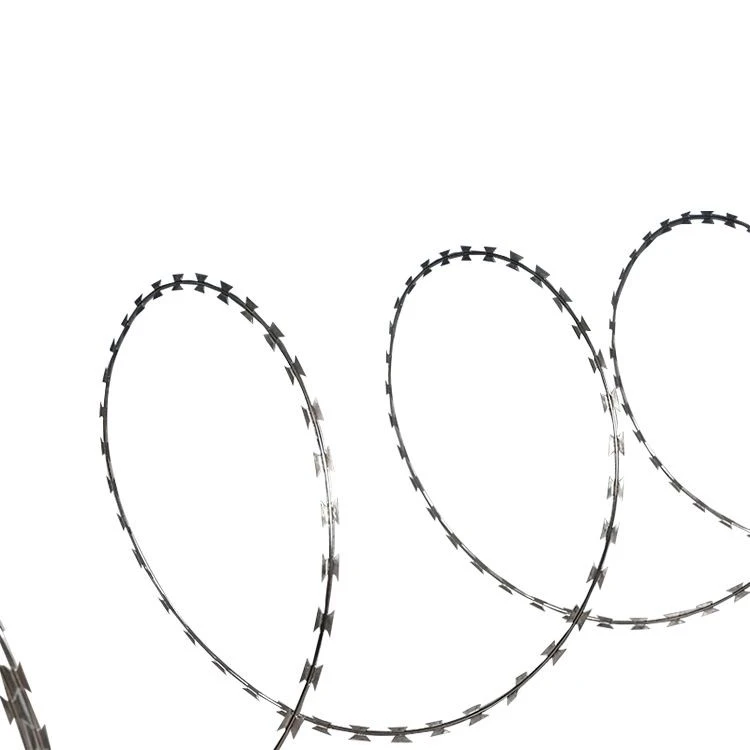
Security barbed wire is a type of fencing material that features sharp barbs or spikes along the wire. It's commonly used to create a physical barrier around properties, including industrial sites, military installations, and private residences. There are different types of security barbed wire available, such as Barbed Wire Coil and Concertina Razor Barbed Wire, each with its own unique design and applications.
Potential Legal Liabilities
1. Negligence
One of the primary legal liabilities associated with using security barbed wire is negligence. Property owners have a duty of care to ensure that their premises are safe for visitors, employees, and the general public. If someone is injured due to the presence of security barbed wire, the property owner may be held liable if it can be proven that they were negligent in its installation, maintenance, or use.
For example, if the barbed wire is installed in a location where it poses an unreasonable risk of harm, such as near a public sidewalk or a playground, the property owner may be found negligent. Similarly, if the barbed wire is not properly maintained and becomes loose or damaged, increasing the risk of injury, the property owner could be held accountable.
2. Trespassing and Injury
While security barbed wire is intended to deter trespassers, it can also pose a risk of injury to those who come into contact with it. In some cases, trespassers may be injured while attempting to climb over or through the barbed wire. Property owners may be held liable for these injuries, even if the person was trespassing, if it can be shown that the use of barbed wire was excessive or unreasonable.
For instance, if the barbed wire is installed at a height or in a manner that is likely to cause serious injury to a trespasser, the property owner may be held responsible. Additionally, if the property owner fails to provide adequate warning signs indicating the presence of barbed wire, they may also be liable for any injuries that occur.
3. Compliance with Local Laws and Regulations
Another important aspect of using security barbed wire is compliance with local laws and regulations. Different jurisdictions may have specific rules regarding the use of barbed wire, including restrictions on its height, placement, and use in certain areas. Failure to comply with these laws can result in legal consequences, including fines and potential liability for any injuries or damages that occur.
For example, some cities may prohibit the use of barbed wire in residential areas or require that it be installed at a certain height to prevent injury to pedestrians. Property owners should familiarize themselves with the local laws and regulations before installing security barbed wire to ensure that they are in compliance.
4. Product Liability
As a supplier of security barbed wire, we also have a responsibility to ensure that our products are safe and meet the required standards. If a customer is injured due to a defect in the barbed wire, such as a faulty design or manufacturing defect, we may be held liable for the damages.
To mitigate this risk, we take several steps to ensure the quality and safety of our products. This includes conducting regular quality control checks, using high-quality materials, and adhering to industry standards and regulations. We also provide clear instructions and warnings regarding the proper installation and use of our barbed wire to minimize the risk of injury.
Mitigating Legal Liabilities
While there are potential legal liabilities associated with using security barbed wire, there are also steps that property owners and suppliers can take to mitigate these risks.
1. Proper Installation and Maintenance
Property owners should ensure that security barbed wire is installed correctly and maintained regularly. This includes using the appropriate hardware and techniques to secure the wire, checking for any signs of damage or wear, and making necessary repairs or replacements as needed. By taking these steps, property owners can reduce the risk of injury and potential legal liability.
2. Adequate Warning Signs
Property owners should also provide adequate warning signs indicating the presence of barbed wire. These signs should be clearly visible and placed in prominent locations to alert people to the potential danger. By providing clear warnings, property owners can reduce the risk of injury and demonstrate that they have taken reasonable steps to prevent harm.
3. Compliance with Local Laws and Regulations
As mentioned earlier, property owners should familiarize themselves with the local laws and regulations regarding the use of barbed wire and ensure that they are in compliance. This may involve obtaining the necessary permits or approvals before installing the wire and following any specific requirements regarding its height, placement, or use.

4. Insurance Coverage
Property owners should also consider obtaining insurance coverage to protect themselves against potential legal liabilities. This may include general liability insurance, which can provide coverage for injuries or damages caused by the use of barbed wire. By having adequate insurance coverage, property owners can reduce their financial risk in the event of a legal claim.
Conclusion
In conclusion, while security barbed wire can be an effective tool for protecting properties, it's important to understand the potential legal liabilities associated with its use. Property owners and suppliers should take steps to mitigate these risks by ensuring proper installation and maintenance, providing adequate warning signs, complying with local laws and regulations, and obtaining insurance coverage.
As a supplier of Security Barbed Wire, we are committed to providing high-quality products and ensuring the safety of our customers. If you have any questions or concerns about the legal aspects of using security barbed wire, or if you're interested in purchasing our products, please don't hesitate to contact us. We'll be happy to assist you and provide you with the information you need to make an informed decision.
References
- "Barbed Wire and the Law." Legal Information Institute. Cornell Law School.
- "Liability for Barbed Wire Fences." FindLaw.
- "Safety Considerations for Barbed Wire Fencing." Occupational Safety and Health Administration (OSHA).